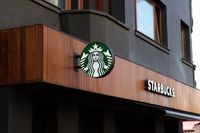
The brewing labor unrest at Starbucks is set to reach a boiling point as over 10,000 baristas, represented by Workers United, gear up for a strike in major cities like Los Angeles, Chicago, and Seattle this Friday. The impending walkout marks a critical juncture in the ongoing labor negotiations between the union and Starbucks, with the potential to escalate and disrupt operations at hundreds of stores nationwide by Christmas Eve if a collective bargaining agreement remains elusive.
Workers United, which advocates for employees at 525 Starbucks locations across the United States, has been engaged in talks with the coffee giant since April, following the establishment of a "framework" in February to guide the organization and collective bargaining process. The union's decision to strike stems from its frustration with Starbucks' perceived lack of progress in addressing key concerns, such as wages, staffing levels, and scheduling practices.
In a statement released on Thursday, the union highlighted that despite Starbucks' public assertions of its intent to finalize contracts by year-end, the company has yet to present workers with a substantial economic proposal. This sentiment reflects the growing discontent among Starbucks employees, who have been grappling with the challenges of rising costs of living, stagnant wages, and increasingly demanding workloads.
Starbucks, on the other hand, has expressed disappointment in the union's decision to "prematurely" conclude a bargaining session earlier this week, emphasizing that significant progress had been made thus far. The company maintains its readiness to continue discussions and reach agreements, urging the union to return to the bargaining table. Starbucks' response underscores its desire to resolve the labor disputes amicably and avoid the negative repercussions that a nationwide strike could have on its business operations and reputation.
The labor unrest at Starbucks is not occurring in isolation but is part of a broader trend of workers across various industries seeking better working conditions, fair wages, and greater job security. The pandemic has exacerbated existing issues, such as understaffing and burnout, prompting many employees to reassess their priorities and demand change. Starbucks' baristas, who have been on the front lines of the company's operations, are no exception.
The challenges faced by Starbucks this year have been manifold, with sales declining for three consecutive quarters, marking its longest downturn in years. Factors such as high beverage prices and extended wait times have led some customers to cease patronizing the coffee chain. Additionally, hundreds of Starbucks stores have voted to unionize in response to concerns over pay, benefits, and working conditions, further complicating the company's labor landscape.
In an attempt to turn the tide, Starbucks appointed Chipotle's CEO and corporate turnaround specialist, Brian Niccol, as its new chairman and CEO in August. Niccol's vision for Starbucks, communicated to employees and customers on his second day in the role, involves steering the company back to its roots as a "community coffeehouse." He emphasized the importance of comfortable seating, design, and a clear distinction between "to-go" and "for-here" service models, aiming to reestablish Starbucks as a welcoming and inviting destination for customers.
However, the success of Niccol's vision hinges not only on revamping the customer experience but also on addressing the concerns of Starbucks' workforce. The well-being and satisfaction of employees are crucial to the company's ability to deliver exceptional service and maintain a positive brand image. As such, the ongoing labor negotiations and the potential strike are of paramount importance to Starbucks' future trajectory.
The strike, if it proceeds as planned, will undoubtedly put pressure on Starbucks to expedite the resolution of labor disputes and demonstrate its commitment to valuing its employees. It also serves as a wake-up call for other companies to proactively address labor concerns and foster a supportive work environment that prioritizes employee welfare.
In conclusion, the impending strike by Starbucks baristas is a pivotal moment in the company's labor relations history. It highlights the pressing need for Starbucks to find common ground with Workers United and reach a collective bargaining agreement that meets the needs of both parties. The outcome of these negotiations will not only impact the livelihoods of thousands of Starbucks employees but also shape the future of the coffee chain and its ability to regain its footing in a competitive market. As the strike looms, all eyes will be on Starbucks to see how it navigates this challenging situation and emerges stronger and more united with its workforce.

By Samuel Cooper/Dec 22, 2024

By James Moore/Dec 22, 2024
By George Bailey/Dec 22, 2024

By David Anderson/Dec 22, 2024

By Sophia Lewis/Dec 22, 2024

By Ryan Martin/Dec 22, 2024
By Benjamin Evans/Dec 22, 2024

By Jessica Lee/Dec 22, 2024

By Amanda Phillips/Dec 22, 2024

By Noah Bell/Dec 22, 2024

By Emma Thompson/Dec 21, 2024

By Joshua Howard/Dec 21, 2024

By Amanda Phillips/Dec 21, 2024

By Victoria Gonzalez/Dec 21, 2024

By Laura Wilson/Dec 21, 2024

By Jessica Lee/Dec 21, 2024

By William Miller/Dec 21, 2024
By Eric Ward/Dec 21, 2024

By William Miller/Dec 21, 2024

By Benjamin Evans/Dec 21, 2024